
Firmware And Out Of Band Management Exposure
| Vulnerability type | Hardware/firmware exposure |
|---|---|
| Primary risk | Remote code execution |
| Attack vector | Network-accessible management interface |
| Commonly affected | Enterprise servers, network devices, storage systems |
| Typical mitigation | Network segmentation, access control lists |
| Patch availability | Vendor-dependent, often via firmware update |
| Original use | Remote administration and monitoring of hardware |
Origin and history
Firmware and Out of Band Management Exposure is not a single vulnerability but a persistent class of security weaknesses inherent to remote management technologies. Its origins are tied to the development of proprietary remote management firmware and hardware, such as Intel's Active Management Technology (AMT) and HP's Integrated Lights-Out (iLO), which began to be integrated into server and enterprise hardware in the early 2000s. The exposure class became widely documented and recognized by the security community in the 2010s as these technologies proliferated in data centers and enterprise environments. High-profile incidents and research, such as the "Silent Bob is Silent" AMT vulnerability disclosure in 2017, brought significant attention to the systemic risks. The fundamental exposures stem from design decisions made decades ago that prioritized remote accessibility and convenience over security. These historical design choices have created a legacy attack surface that persists across modern hardware generations.
What it is for
Firmware and Out of Band Management technologies are designed for remote, low-level hardware administration independent of the main operating system. Their primary function is to allow IT administrators to manage servers and network equipment even when the primary system is powered off or malfunctioning. This includes capabilities such as power cycling a device, installing an operating system remotely, monitoring hardware health metrics like temperature and fan speed, and accessing a remote console for troubleshooting. These systems operate on a separate network interface or a dedicated chipset, creating a distinct management plane often called the "baseboard management controller" (BMC). The technology is essential for large-scale data center operations, enabling efficient management of thousands of physical machines without physical presence. It is a foundational component for modern cloud infrastructure and remote data center orchestration.
Overview
This exposure class refers to vulnerabilities within the firmware, software, and hardware interfaces of out-of-band (OOB) management systems. These systems, while physically or logically separate from the host, often have privileged access to the host's hardware and network resources. Common vulnerabilities include default or weak credentials that are shared across hardware models, unencrypted network communication channels for management traffic, and firmware that lacks secure update mechanisms. A critical aspect is that these vulnerabilities can be exploited even if the host's main operating system is fully patched and secure, as the management controller operates beneath it. Exploitation can lead to persistent compromise, enabling an attacker to implant firmware-level malware, exfiltrate data, or create a hidden backdoor that survives OS reinstallation. The overview encompasses both implementation flaws in specific products and architectural risks in the OOB management paradigm itself.
What to know
Administrators must know that the security of the OOB management network is paramount and should be treated with at least the same rigor as the most sensitive production network. It is critical to understand that these interfaces are often enabled by default with well-documented default passwords, and failing to change these is a primary vector for compromise. Knowledge of the specific management controller model and its associated firmware version is necessary to track applicable vulnerabilities and patches from the hardware vendor. One should know that these interfaces can be exposed on shared network adapters via features like Intel AMT's Serial-over-LAN, potentially bridging the management and data networks unintentionally. It is essential to know that patching often requires a separate, multi-step process involving vendor-specific tools, distinct from regular OS updates, and can require system reboots. Finally, organizations should know that forensic detection of compromise at this level is exceptionally difficult and typically requires specialized hardware tools.
Common questions
A common question is whether disabling the OOB management interface entirely is the safest course of action, though this is often impractical for large-scale remote infrastructure management. Administrators frequently ask how to isolate these interfaces, leading to the standard recommendation of placing them on a dedicated, physically separate network VLAN with strict firewall controls. Many inquire if changing the default password is sufficient, but the answer is that it is only a first step, requiring subsequent steps like enabling strong encryption and disabling unused services. Users often question why these vulnerabilities are not addressed by their regular operating system security patches, highlighting the need for separate firmware update processes from the hardware vendor. Another frequent question concerns the risk of supply chain compromise, as malicious firmware could be implanted on the management controller during manufacturing or distribution. Organizations also commonly ask about tools for monitoring and auditing access to these interfaces, which are typically provided by the hardware vendor or through specialized security information and event management (SIEM) integrations.
Pros and cons
The primary pro of OOB management systems is their indispensable utility for managing large, distributed hardware estates, providing critical remote recovery capabilities that save immense time and cost. A significant con is that they introduce a high-value, privileged, and often overlooked attack surface that operates below the security controls of the main operating system. A common mistake is deploying these systems on networks with excessive access, failing to implement network segmentation, which dramatically increases the blast radius of a compromise. Organizations frequently regret the choice when they discover the complexity and downtime associated with properly patching firmware across heterogeneous hardware fleets, often leaving systems vulnerable for extended periods. Another con is the potential for long-term persistence by advanced attackers, as a compromised management controller can be extremely difficult to cleanse without completely replacing the hardware. The architectural pro of separation becomes a con when the management channel itself is subverted, as it then provides attackers with the same powerful, stealthy access intended for administrators.
Who it suits
This class of technology suits large organizations with substantial data center operations, such as cloud service providers, financial institutions, and enterprises with private server racks, where remote hardware management is a operational necessity. It is suited for environments with dedicated, skilled security and infrastructure teams capable of implementing and maintaining the stringent isolation and update regimes these systems require. Organizations that possess the resources to maintain a separate, secure network infrastructure specifically for management traffic are the primary candidates for safely deploying these technologies. It does not suit small offices or environments lacking dedicated IT security staff, as the default insecure configurations present an unacceptable risk. The technology is also poorly suited for any highly sensitive or classified computing environment where the risk of firmware-level compromise cannot be tolerated, often leading to the physical disabling of these interfaces. Ultimately, it suits those who can accept and actively manage the inherent risk in exchange for the powerful remote management capabilities.
Latest Firmware And Out Of Band Management Exposure news
Latest reporting

Check Point Zero-Day Exploited in Targeted July Attacks
Check Point has disclosed that a critical zero-day vulnerability in its Security Management Server was exploited in targeted attacks in July.

Doppler Secrets Platform Secures AI Agents and Pipelines
Doppler's secrets management platform centralizes credentials for developers, CI/CD pipelines, and AI agents, addressing credential leakage risks with

RMM Phishing Campaign Targets US, Spans 46 Countries
A global phishing campaign using fake documents to deploy legitimate remote monitoring and management software has made the United States its primary
Thomson Reuters breach exposes US and Canadian court data
A breach of Thomson Reuters' C-Track court management platform exposed sealed records and personal data from courts in at least 12 U.S. States, the...
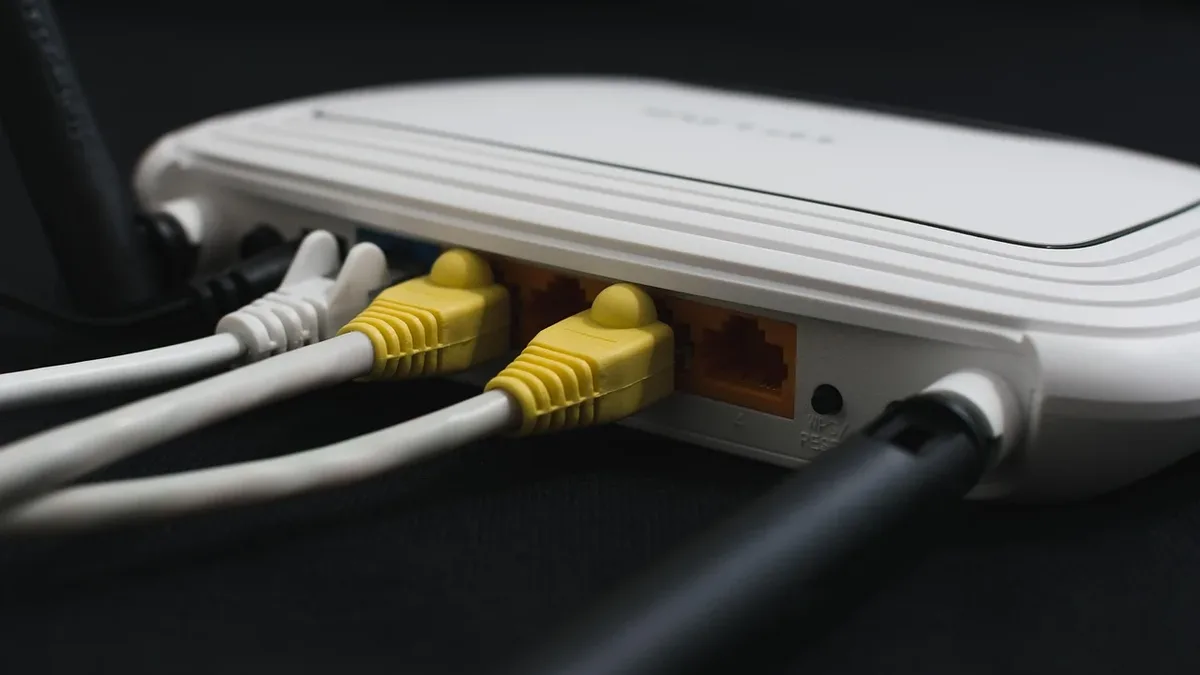
ZBT Routers Ship with Dual Backdoors
A firmware analysis has uncovered two new backdoors, SPEAKINGSTONE and DARKLANTERN, in ZBT Deep Orange routers.
ServiceNow, Tanium, Snyk launch autonomous
Multiple vendors released new security products in August 2026, focusing on autonomous, AI-driven capabilities for exposure management, pentesting...