
Infostealer Campaigns
Credentials and financial data · Malicious email attachments and software...
Threats on Zero Day Room: Ransomware groups and campaigns, Business email compromise, Supply chain attacks, Phishing and credential theft, Info stealers and Cloud account compromise.
Credentials and financial data · Malicious email attachments and software...

Operational Technology (OT) systems and... · Initial access via IT network compromise

Corporate networks and critical... · Phishing emails and remote desktop...

Software developers and IT service... · Compromising trusted development tools or...
OpenRouter removed three AI inference providers and 125 endpoints from its Zero Data Retention program after researchers proved attackers had stolen user prompts for months via compromised credentials and hidden traffic forwarding.
Organizations are struggling to track AI agents' autonomous actions in development pipelines, a visibility gap highlighted by a major breach where malware injected via Optimizely's platform compromised 178 organizations including BBC, CNN, and Zoom.

Researchers demonstrated a remote code execution chain that compromised Meta's Muse AI agent and its cloud environment without user interaction, accessing private conversations and stored memories. The exploit was confined to a single user's machine, and Muse's team confirmed fixes were implemented before public disclosure.

A breach at third-party marketing vendors exposed customer names and email addresses for JPMorgan, Visa, and Mastercard.

Uber has notified nearly 150,000 drivers that their personal data was exposed after hackers stole credentials from third-party AI provider Fireworks AI in October 2026.
A compromised cloud provider for Fireworks AI led to a supply chain attack, with stolen credentials used to distribute malicious versions of the Anthropic Claude Code extension via Cursor's marketplace to up to 5,000 users.
Two new attacks, Mior and Skyfall, exploit vulnerabilities in AMD's SEV-SNP technology, allowing malicious hosts to read and modify data within protected virtual machines. Firmware and microcode updates from server manufacturers are required to mitigate the threats.
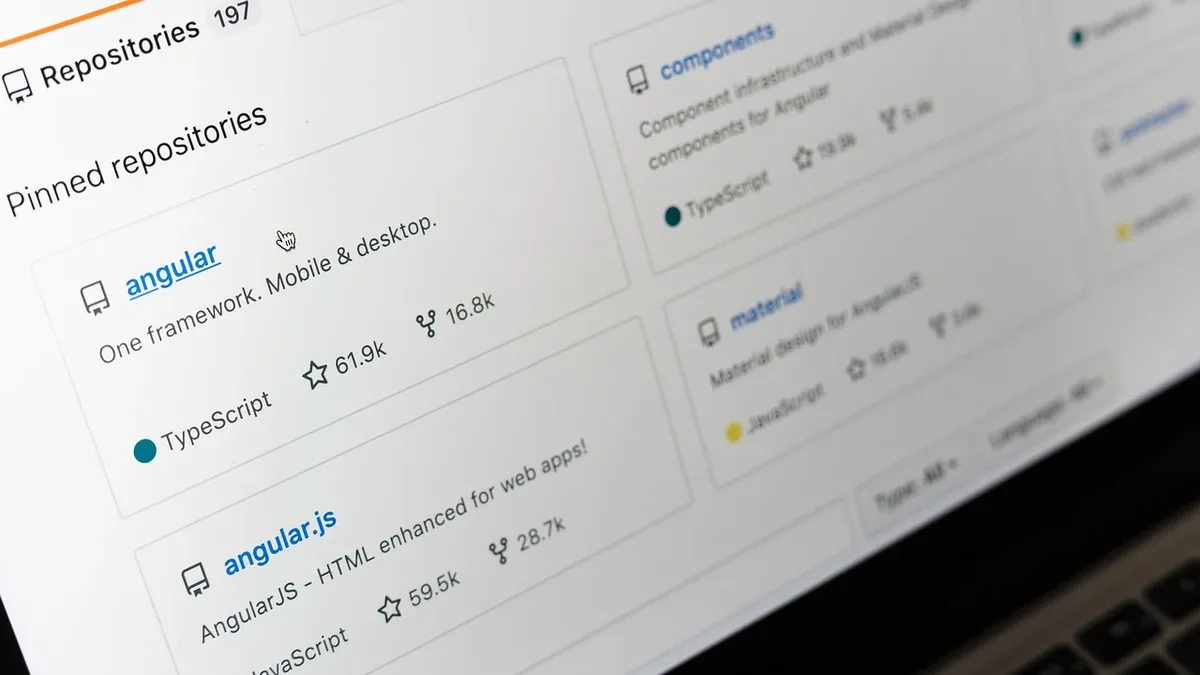
Attackers used 4,837 stolen GitHub accounts to test write access on over 61,000 repositories, planting a secret-stealing script in at least 1,806 of them to harvest cloud credentials and tokens from CI/CD pipelines.

A U.S. indictment charges three men with orchestrating 18 Iran-backed terrorist plots across Europe, including arson attacks on Jewish sites and a planned bombing at a UK air base, using encrypted communications directed from a Brooklyn jail.

Fireworks AI suffered two October breaches where hackers stole billing data and AI-specific information, with a third-party cloud attack enabling unauthorized workloads. The incident impacted Notion's systems and exemplifies the rapid financial fraud risk of LLMjacking attacks targeting AI infrastructure.

SEGA disclosed a breach of its third-party email provider Arara, exposing 2.2 million customer email addresses and prompting warnings about phishing risks.

U.S. agencies warn that threat actors are actively targeting industrial refrigeration and cold-chain monitoring systems globally, exploiting unpatched controllers to alter temperatures, cause inventory loss, and create fire hazards.
Iris Ohyama disclosed a breach affecting up to 7.7 million customers after unauthorized access to a third-party cloud service used by its Iris Plaza online store.

Vercel is rolling out Device Bound Session Credentials to bind login sessions to a user's device via a TPM, preventing stolen session cookies from being reused on other machines.
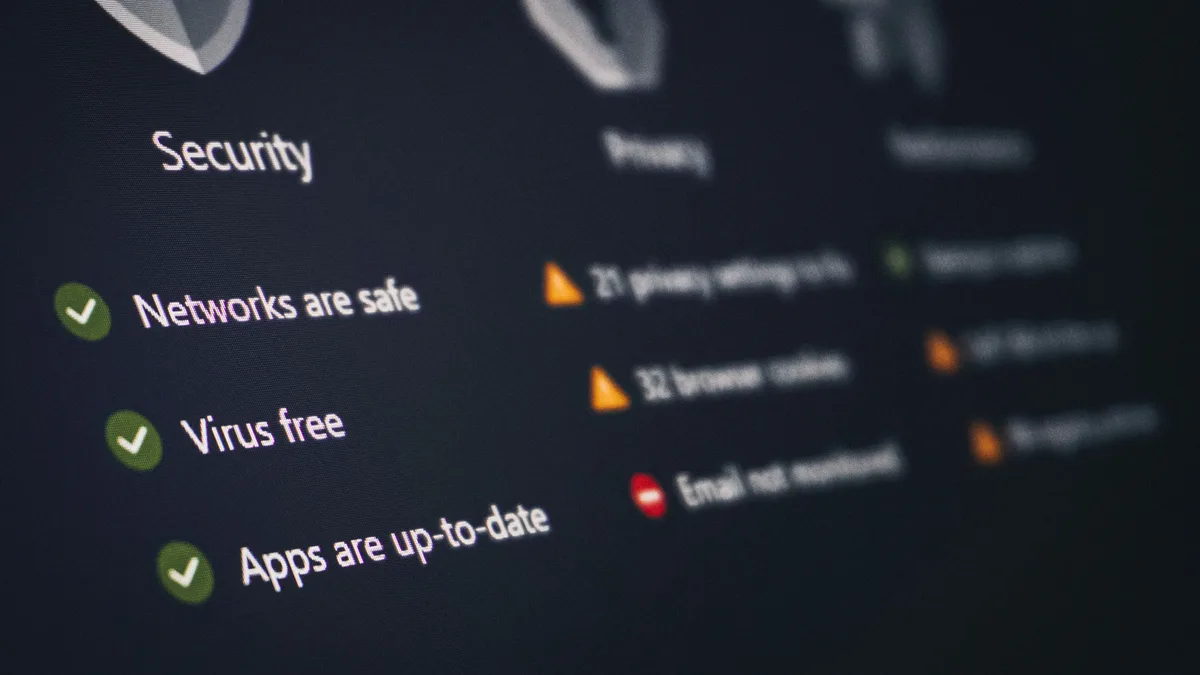
mSeven Software warned mSecure customers to reset all stored passwords, 2FA, and passkeys after detecting suspicious activity.

The head of the UK's National Cyber Security Centre warns that AI-powered ransomware will likely target the nation's critical infrastructure by 2028, amid concerns over insufficient cyber resilience.

A new Windows infostealer named VOLTA-AUTODOXER leverages large language models to automatically profile victims and rank stolen data by financial value.
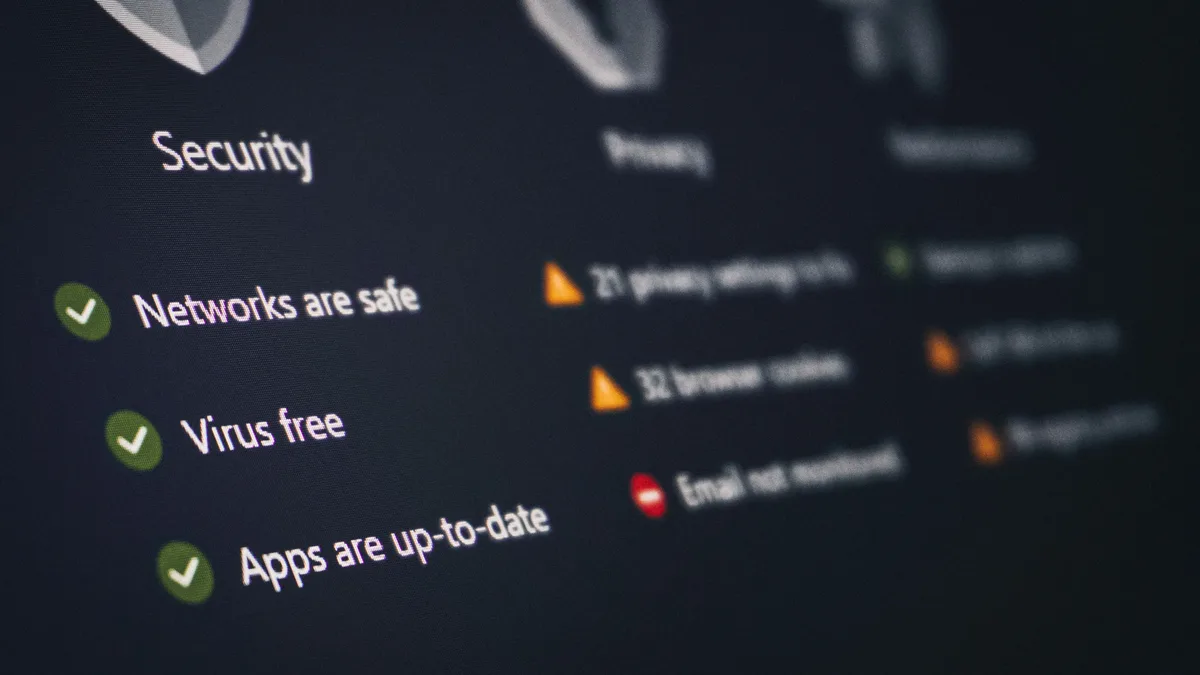
Northflank has warned customers to rotate all environment variables and API keys after a security breach exposed AI credentials, part of a wider 'LLMJacking' campaign targeting developer platforms.
Chinese state-sponsored group Vapor Panda has leveraged the AI-powered ARTEX penetration framework to compromise over 200 organizations globally since October 2026, automating large-scale intrusions.
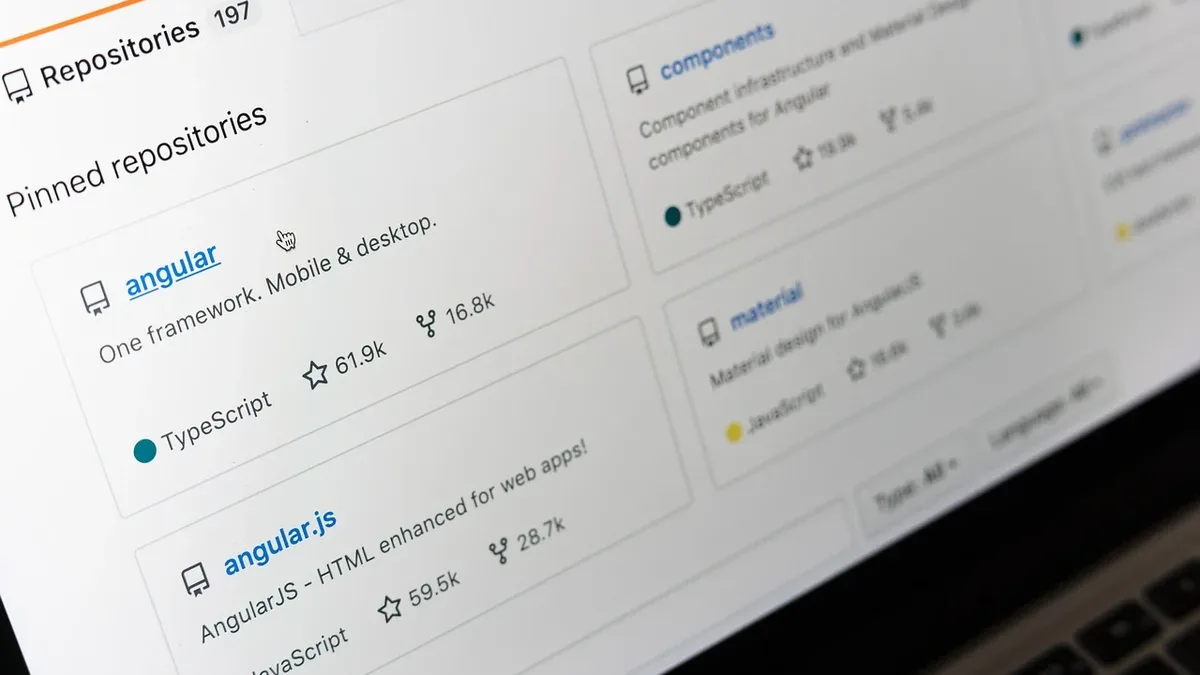
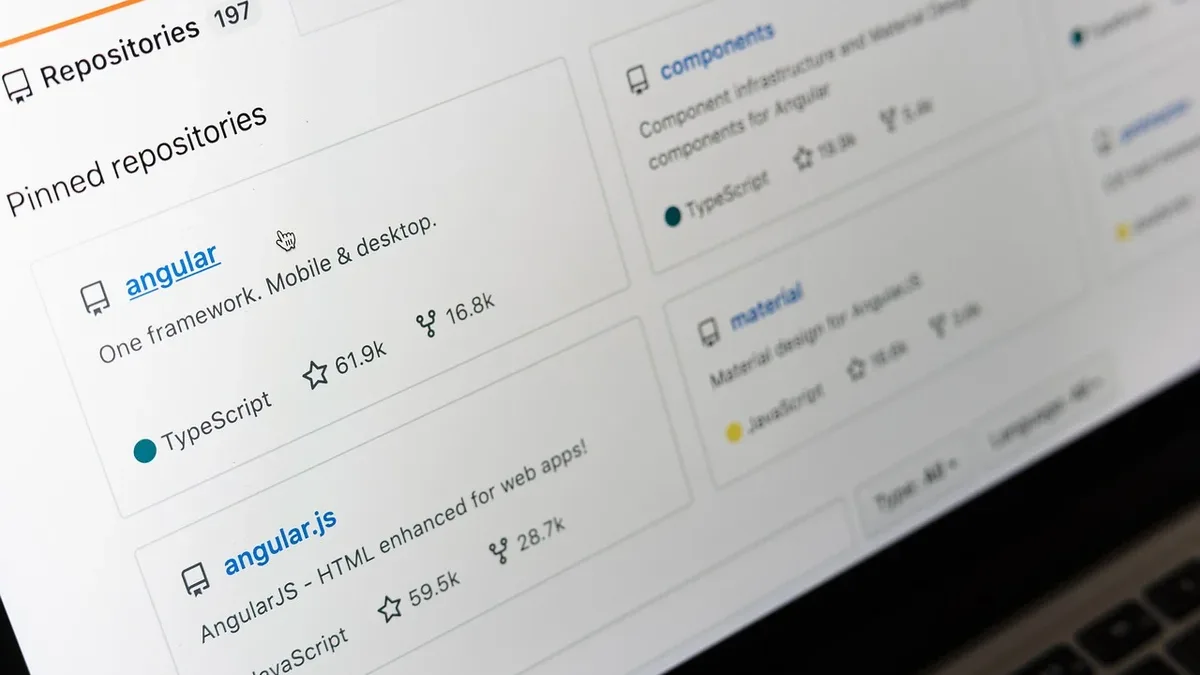
A campaign dubbed Gheist has used stolen GitHub tokens to plant malicious workflows across thousands of repositories, bypassing GitHub's public repository protections to target private environments and cloud credentials.

A ransomware attack on October 26 forced UNM Health Sciences Center to cancel all surgeries and divert ambulances, disrupting patient care and academic operations. The BYOD ransomware group claimed responsibility, alleging a massive data compromise.
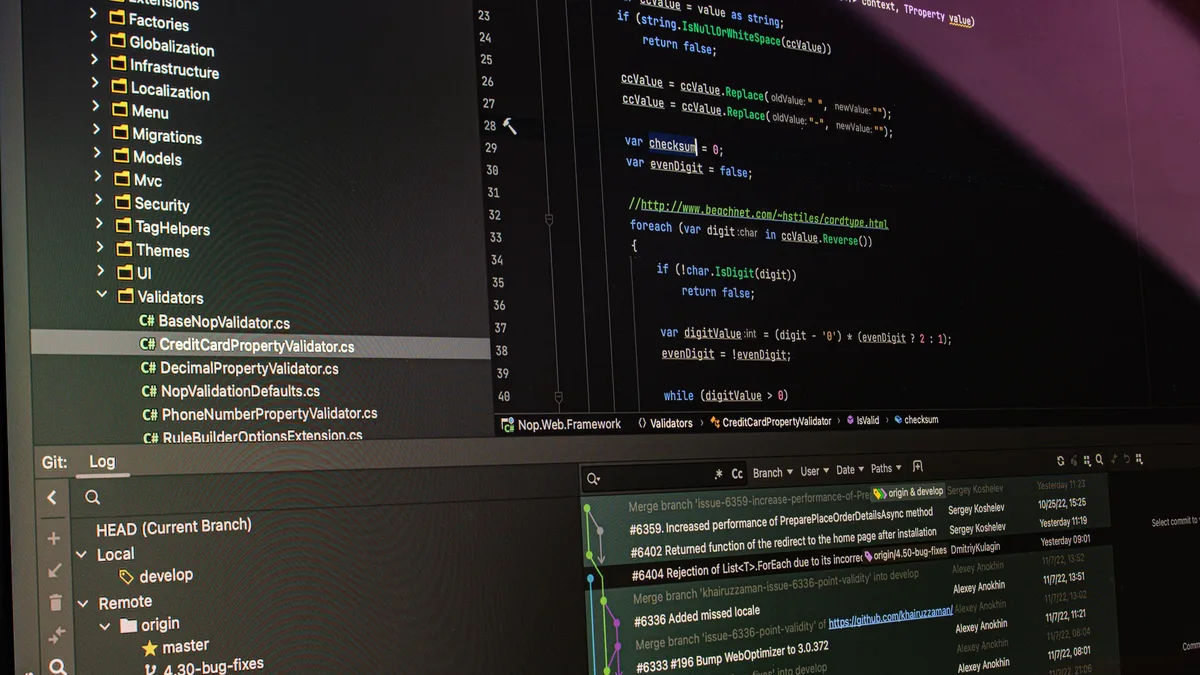
Security researchers found that AI coding agents can be tricked by malicious instruction files, like AGENTS.md, placed in a user's Downloads folder, leading to malware installation and account takeover.

eMudhra is withdrawing from the global SSL/TLS certificate business after discovering weak private keys in eight of its intermediate certificates.
A malicious version of the LiteLLM Python library was published to PyPI and Docker registries on October 21, 2026, affecting millions of downloads and compromising credentials across numerous organizations.
China-aligned threat actor Storm-0940 compromised the ConnectWise Cloud Backup supply chain, using the ARTEX AI framework to launch a massive automated attack against over 2,250 Microsoft 365 tenants.

ConnectWise disabled seven application identities and suspended its Cloud Backup service on October 17, 2026, after attackers used a stolen credential to compromise at least 162 Microsoft 365 tenants.

Ledger has confirmed a supply chain attack where hardware wallets sold through its official Southeast Asia reseller CryptoBilis contained a physical implant, leading to the theft of over $86 million in cryptocurrency from more than 300 users.

A new report reveals ransomware attacks increasingly involve threats of physical violence and psychological intimidation against employees and their loved ones, with 40% of incidents now using these tactics.

Google is activating AI-powered scam protections in Android, using cloud-based Gemini models in Messages and blocking fraudulent call-forwarding to combat sophisticated fraud.

Threat actor UTA0576 chained three zero-day flaws, including an unpatched privilege escalation, to achieve unauthenticated root access on fully patched Ivanti Connect Secure VPN appliances starting October 3, focusing on credential theft and network reconnaissance.
A China-aligned espionage group, tracked as TA419, has been running credential phishing campaigns since July 2026.

An international police operation dismantled the KillSec ransomware group, seizing servers and arresting key suspects including a 16-year-old.

A 16-year-old Romanian national was arrested in Alicante, Spain, as the suspected administrator of the KillSec ransomware group, part of a multinational operation.
Two former US Air Force members stationed at Dover Air Force Base have been sentenced to a combined 189 months in prison for a business email compromise scheme.
Microsoft has publicly detailed the NeedyMantis malware framework, discovered during analysis of the May 2026 Daemon Tools supply chain attack.

Bitget confirmed a $387.5 million crypto theft by suspected North Korean hackers, exploiting a backend wallet system.

CISA has published a 13-page Election Infrastructure Security Plan 40 days before the November 2026 midterms.