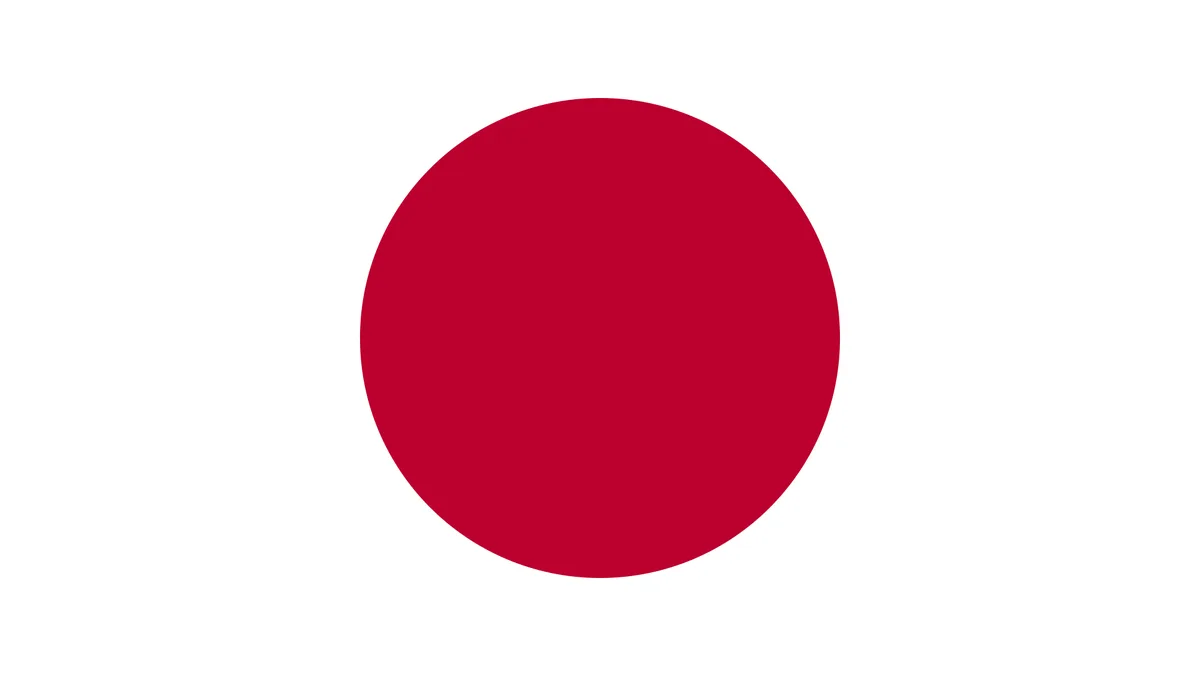
Japan
| Country of origin | Japan |
|---|---|
| First created | 7th century (documented) |
| Original use | National identification and cultural concept |
| Type | Sovereign island nation |
| Government | Constitutional monarchy with parliamentary government |
| Capital | Tokyo |
| Official language | Japanese |
| Currency | Japanese yen (JPY) |
Origin and history
Japan originates from the Japanese archipelago in East Asia. Its history as a unified state began with the establishment of the first permanent capital in Nara in the 8th century. The feudal era, characterized by the rule of shoguns and samurai, lasted from the 12th century until the Meiji Restoration in 1868. That restoration marked a deliberate and rapid transformation from an isolated feudal society into a modern imperial power. The post-World War II period saw the country adopt a pacifist constitution and emerge as a global economic leader by the latter half of the 20th century. Its historical development has been significantly shaped by selective adaptation of foreign influences, from Chinese writing and statecraft to Western technology and political systems.
What it is for
Japan functions as a sovereign nation-state with a constitutional monarchy and a parliamentary government. Its political and economic systems are designed to maintain stability, foster technological innovation, and ensure national security within a framework of international alliances. The society is organized to provide high-quality education, universal healthcare, and advanced infrastructure for its citizenry. Culturally, it serves as a center for the production and global dissemination of distinctive arts, cuisine, and popular media. The country also maintains a Self-Defense Force for national and collective self-defense, as interpreted under its constitution. Furthermore, it acts as a key participant in global diplomatic and economic forums, addressing issues from climate change to international trade.
Overview
Japan is an island nation comprising four main islands and numerous smaller ones, with a population exceeding 125 million people. It operates as a unitary state with a centralized government, though prefectures hold some administrative authority. The economy is the world's fourth-largest by nominal GDP, driven by advanced manufacturing in sectors like automobiles, electronics, and robotics. Its society is ethnically homogeneous with a rapidly aging demographic structure, presenting significant long-term social and economic challenges. The culture is a complex blend of deeply rooted traditional practices and hyper-modern urban life, often existing simultaneously. Japan maintains a complex relationship with its historical actions in the 20th century, which continues to influence its diplomatic relations in East Asia.
What to know
Japan's post-war constitution, drafted under Allied occupation, famously includes Article 9 which renounces war as a sovereign right. The Japanese language uses a unique writing system that combines logographic characters (kanji) with two phonetic syllabaries (hiragana and katakana). Natural disasters, particularly earthquakes, tsunamis, and typhoons, are a constant geographical vulnerability requiring sophisticated national preparedness and resilient engineering. Lifetime employment, once a hallmark of the corporate economy, has eroded but still influences workplace culture and seniority-based promotion systems. The country has one of the world's lowest birth rates and longest life expectancies, creating profound pressures on its pension and healthcare systems. Understanding Japan requires recognizing the nuanced social codes of conduct, such as *tatemae* (public facade) and *honne* (true feeling), which govern interpersonal communication.
Common questions
A common question concerns the role of the Emperor, who is defined as "the symbol of the State and of the unity of the People" with no political powers. Many inquire about the safety of travel regarding natural disasters, to which the answer is that infrastructure is highly resilient and warning systems are exceptionally advanced. People often ask why Japan closed itself to most foreign contact during the Edo Period (1603-1868), a policy known as *sakoku*, which was enacted to consolidate Tokugawa rule and control foreign influence. Questions frequently arise about the perceived high cost of living, which is accurate for major cities like Tokyo but varies significantly in regional areas. Another frequent topic is the work culture, which, despite government-led reforms, can still involve long hours and significant social pressure in many traditional companies. Visitors often question the etiquette around onsens (hot springs), where thorough washing before entering and a prohibition on tattoos are standard rules.
Pros and cons
A significant advantage is the remarkable public safety, with very low rates of violent crime and a strong societal emphasis on order and cleanliness. The transportation infrastructure, particularly the rail network, is punctual, extensive, and efficient, enabling easy mobility. Conversely, the societal pressure to conform can be stifling for both Japanese and foreign residents, leading to stress and sometimes social withdrawal. The rigid corporate and educational hierarchies can suppress individual initiative and creativity, prioritizing group harmony over innovation. A common mistake for foreign businesses is underestimating the importance of established local networks and relationship-based trust, which cannot be rushed. Those who regret moving to Japan often cite the difficulty of deep social integration beyond superficial politeness and the challenges of navigating complex, unwritten social rules.
Who it suits
Japan suits individuals who value order, predictability, and high-quality public services in their daily living environment. It is well-suited for professionals in specific technical fields like engineering, robotics, and certain academic research areas where Japan excels. The country appeals to those with a deep, respectful interest in traditional arts, crafts, and cultural practices, and who are willing to invest time in understanding them. It is less suited for entrepreneurs who require a highly flexible, deregulated business environment or who are unwilling to adapt to local corporate customs. Japan can be a good fit for students of language and culture who are prepared for the significant effort required to achieve true proficiency. Ultimately, it suits those who appreciate a contrast between serene tradition and dynamic modernity, and who can navigate the formalities that underpin social interactions.