Sim Swap And Telecommunications Fraud
| Primary attack vector | Social engineering of telecom customer service |
|---|---|
| Primary goal | Account takeover via interception of SMS-based authentication |
| Primary defense | Disabling SMS-based multi-factor authentication for critical accounts |
| Secondary defense | Using a dedicated account PIN with the telecom provider |
| Technical control | Port-out validation and number lock services offered by carriers |
| Documented in | Industry security advisories and law enforcement bulletins |
| Also known as | SIM hijacking or port-out fraud |
Origin and history
SIM swap and telecommunications fraud originated in the late 1990s alongside the expansion of digital mobile networks. Early documented cases emerged in regions with advanced telecommunications infrastructure, such as North America and Europe. The fraud became more prevalent as mobile phones evolved from simple communication devices to tools for financial transactions. The adoption of SMS-based two-factor authentication in the early 2000s provided a key incentive for attackers to develop this method. Telecommunications carriers initially had lax procedures for verifying customer identity during SIM change requests, which facilitated the fraud. Historical records indicate that law enforcement agencies began noting organized groups exploiting this vulnerability by the mid-2000s.
What it is for
This vulnerability is exploited by attackers to illegitimately take control of a victim's mobile phone number. The primary purpose is to bypass security measures that rely on SMS or call-based authentication, such as one-time passwords. By gaining control of the phone number, attackers can access online banking accounts, email services, and social media profiles. It is also used to intercept sensitive communications, enabling identity theft and financial fraud. In some cases, the fraud facilitates unauthorized transactions or the theft of cryptocurrency from linked wallets. The end goal is typically monetary gain, though it can also be used for espionage or harassment.
Overview
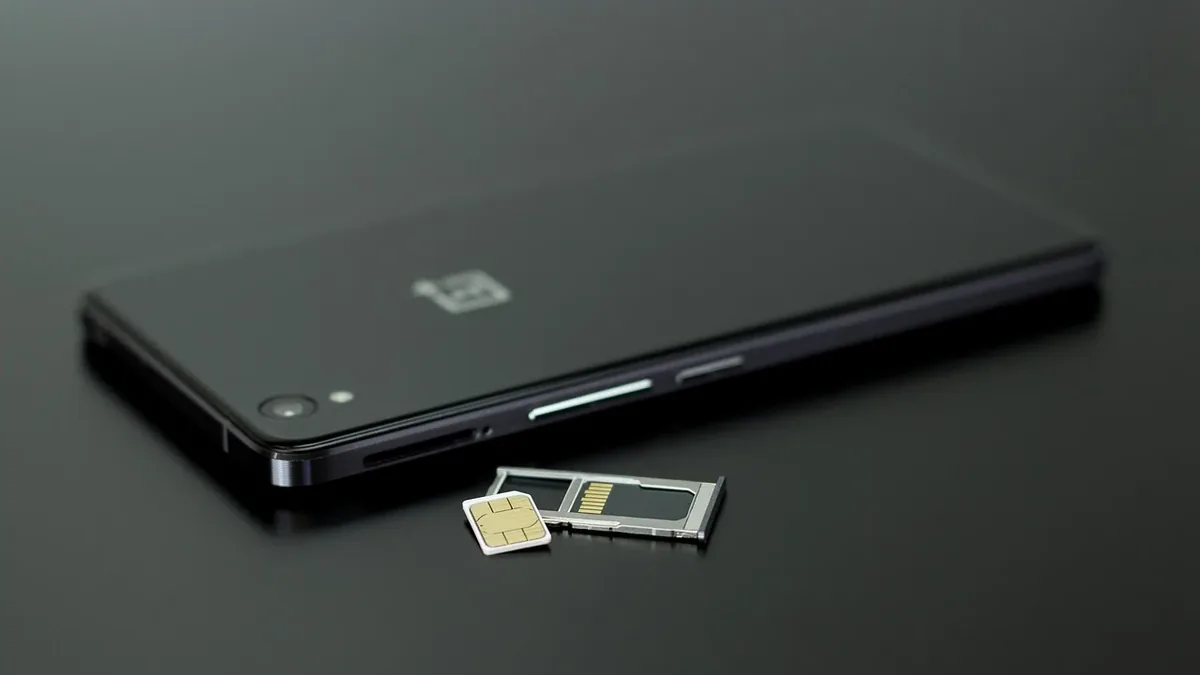
SIM swap fraud involves an attacker convincing a mobile network operator to transfer a victim's phone number to a SIM card in the attacker's possession. This is often achieved through social engineering, where the attacker poses as the legitimate account holder. Once the swap is complete, all incoming calls and messages are routed to the attacker's device, including authentication codes. The victim's phone loses service, which can be an early indicator of the fraud. Telecommunications fraud encompasses a broader range of schemes, but SIM swapping is a key technique due to its effectiveness against two-factor authentication. This vulnerability highlights systemic weaknesses in carrier security protocols and customer verification processes.
What to know
Individuals should know that SIM swap fraud often begins with the attacker gathering personal information through phishing or data breaches. Carriers may use weak authentication methods, such as knowledge-based questions, which can be compromised. Once a number is ported, recovering access can be time-consuming and may require visiting a carrier store with identification. Legal frameworks in many countries now require carriers to implement stronger verification, but enforcement varies. Using alternative authentication methods, like authenticator apps or hardware tokens, reduces reliance on SMS. Monitoring account activity and setting up alerts for unusual behavior is also a critical defensive measure.
Common questions
A common question is how to detect if you have been targeted by SIM swap fraud. Sudden loss of mobile service without explanation is a primary red flag. People often ask what steps to take immediately after suspecting a SIM swap, which includes contacting their carrier and financial institutions. Another frequent inquiry is whether certain phone numbers or accounts are more at risk, with high-value targets like executives or cryptocurrency holders being particularly vulnerable. Users wonder if using a PIN with their carrier account offers protection, and while it helps, it is not foolproof. Questions about legal recourse are common, and victims are advised to report the incident to law enforcement and regulatory bodies.
Pros and cons
From an attacker's perspective, the pros include the relative ease of execution with basic social engineering skills and the high payoff if successful. However, a major con is the increasing awareness and improved security measures by carriers, making it harder to execute. For victims, the cons are severe financial loss, identity theft, and lengthy recovery processes. A common mistake is relying solely on SMS for two-factor authentication without backup methods. Organizations regret not implementing stronger customer verification protocols, leading to reputational damage and legal liabilities. Individuals often regret not using additional security features like account PINs or biometric authentication where available.
Who it suits
This vulnerability suits attackers who are skilled in social engineering and have access to personal data through illicit means. Telecommunications companies need to understand this fraud to bolster their security procedures and protect customers. Security professionals must be aware of SIM swap tactics to design robust authentication systems that minimize reliance on SMS. Individuals with significant digital assets, such as cryptocurrency traders or online business owners, should take extra precautions. Law enforcement agencies focus on these crimes due to their financial impact and cross-jurisdictional nature. Regulatory bodies use knowledge of this vulnerability to shape policies that mandate stronger carrier authentication standards.
Latest Sim Swap And Telecommunications Fraud news
Latest reporting

Bipartisan Bill Proposes Voluntary Telecom Security Rules
Senators Mark Warner and Ted Cruz introduced the Telecommunications Cybersecurity and Resilience Act, creating a voluntary framework for telecom
Gigabud Trojan Clones Banking Apps to Bypass Fraud Detection
The Gigabud Android banking trojan now uses a weaponized app cloner called Vwork to isolate fraudulent transactions in a separate work profile...
Visa upgrades A2A Protect fraud scoring
Visa has launched an enhanced version of its A2A Protect service, integrating Featurespace technology to provide a unified fraud score.

North Korean IT Fraud Expands to Healthcare
North Korean state-linked threat actors are expanding fraudulent remote job schemes beyond IT into healthcare, sales, and marketing to fund illicit