France attributes supermarket refrigeration cyberattacks to Iranian state hackers
French authorities have attributed a series of October cyberattacks that disrupted refrigeration systems at over 700 retail sites to Iran's IRGC, causing food spoilage and fires, and prompting diplomatic condemnation and plans for EU sanctions.
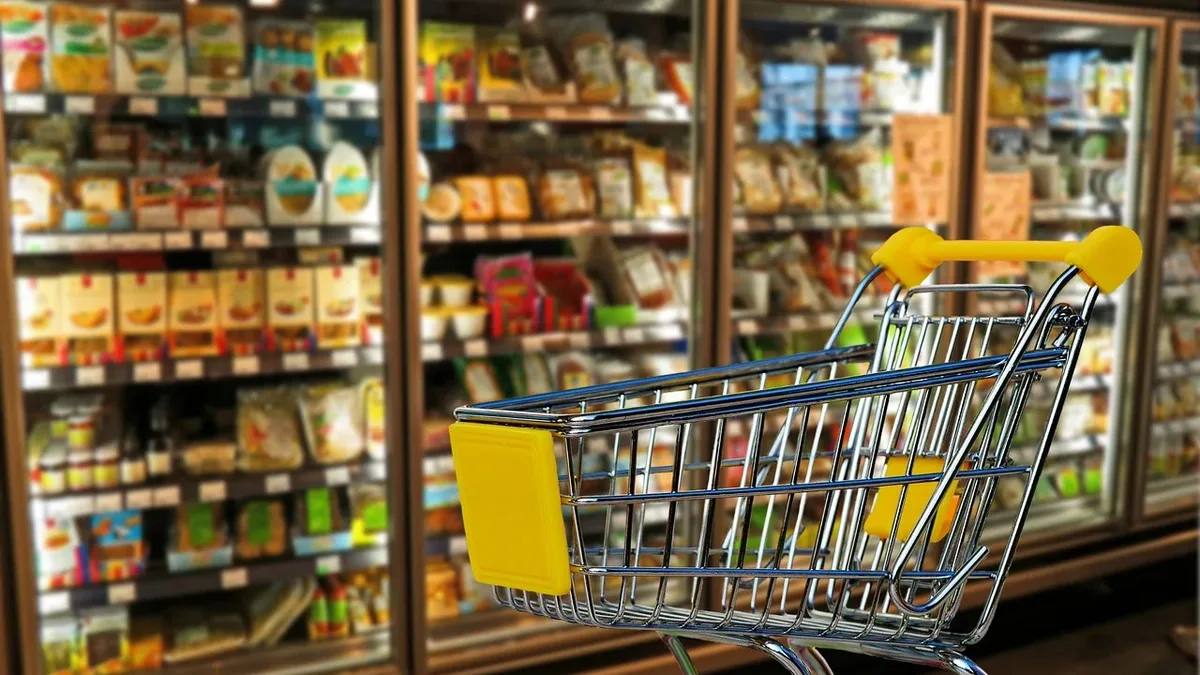
France has linked cyberattacks on refrigeration systems at approximately 700 French commercial sites to Iranian state-backed hackers. The incidents, occurring from October 1 to 11, caused widespread food spoilage and triggered at least 15 fires, with one supermarket owner estimating nationwide costs could reach tens of millions of euros.
Victims included major retail chains such as Casino, Leclerc, Coopérative U, Metro, Carrefour, and Intermarché. Smaller butcher shops, a slaughterhouse, and cooperative food-processing facilities were also affected. The attacks forced stores to discard perishable goods, including meat and melted ice cream. The U.S. Pentagon is separately investigating similar refrigerator outages at military commissaries in August, with Iran considered a suspect.
Technical execution and timeline
Hackers remotely compromised industrial refrigeration controllers overnight on October 11-12. They overrode defrost settings to high temperatures, causing units to overheat. This led to food loss and ignited fires. The firm behind many affected units noted several were obsolete or running outdated firmware, which may have facilitated the breaches. In a related development, France's ANSSI identified Iranian hackers simultaneously targeting Schneider Electric equipment at several small hydroelectric facilities, causing moderate disruption.
Attribution to Iranian state actors
France's Cyber Crisis Coordination Center (C4) attributed the attacks to the Iranian Shahid Kaveh IRGC unit. Technical evidence included Farsi-language artifacts in the attack infrastructure, the use of the FOFA search platform commonly employed by the group, and shared infrastructure used for reconnaissance against Schneider Electric systems. The propaganda outlet CyberbanNews, linked to Shahid Kaveh, publicized the attacks on October 13.
French investigators state Shahid Kaveh operates through online hacktivist identities including CyberAveng3rs, Soldiers of Solomon, Mr. Soul, and Cyber Isnaad Front. The unit was previously linked to attacks on U.S. water utilities and a large-scale sabotage campaign against Israeli and U.S. interests in March and April 2026. ANSSI also attributed earlier attacks against French interests, such as the defacement of Charlie Hebdo's website, to a separate IRGC unit called Shahid Shoostari, describing both as part of a six-year destabilization campaign.
The Paris Prosecutor’s Office has opened a judicial investigation against the head of Shahid Kaveh, two deputies, and other suspects, and requested international arrest warrants.
Diplomatic response and consequences
France condemned the attacks and summoned Iran's ambassador. Foreign Minister Jean-Noël Barrot confirmed IRGC responsibility, calling the sabotage unprecedented in scale and aggressiveness. The government announced plans to pursue European Union sanctions against the Iranian individuals and organizations involved. "France condemns in the strongest possible terms the unacceptable cyberattacks carried out on its territory by the Islamic Republic of Iran against its interests," stated the Ministry for Europe and Foreign Affairs.
The attacks were part of a broader conflict involving Iran that began in February and included cyber incidents against the Los Angeles transit system in March, U.S. water treatment plants in July, and ships bound for the U.S. in August. France will propose new EU sanctions targeting those responsible for the malicious cyber operations.