Third-party vendor breaches expose JPMorgan, Visa, Mastercard customer data
A breach at third-party marketing vendors exposed customer names and email addresses for JPMorgan, Visa, and Mastercard.
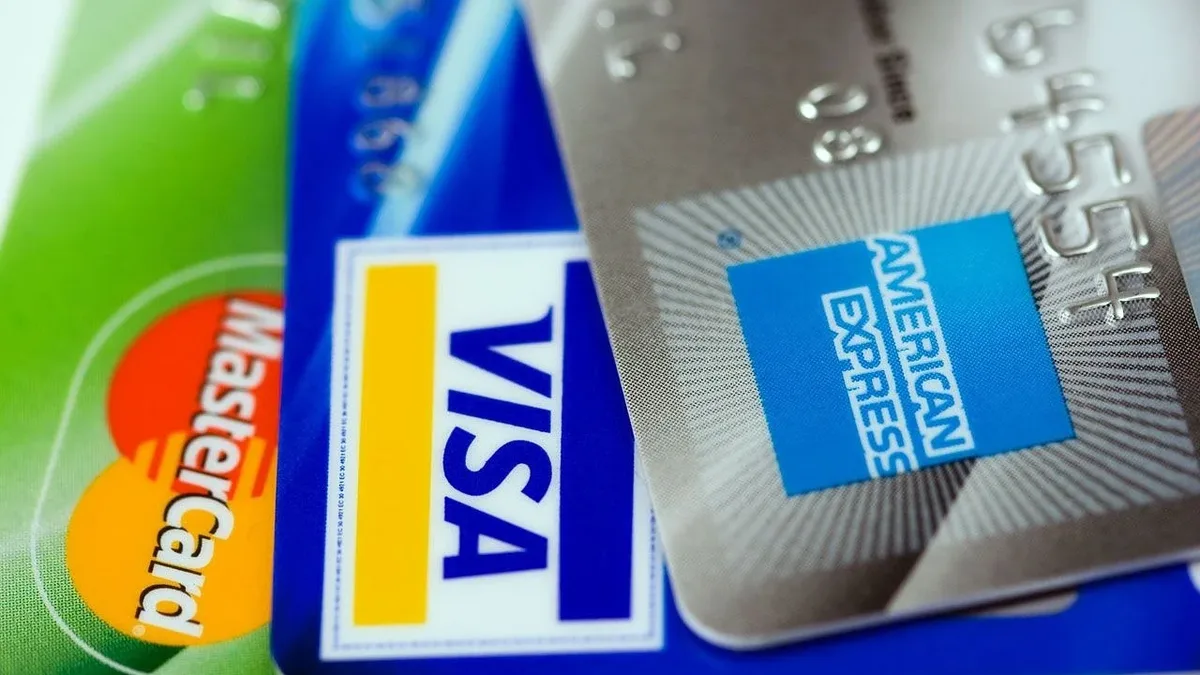
JPMorgan, Visa, and Mastercard confirmed a data breach affecting customer marketing information held by third-party vendors. The incident, which did not disrupt core banking or payment services, exposed names and email addresses but no financial credentials or payment card data.
JPMorgan confirmed the cyberattack on its vendors on November 19, 2023. The bank stated attackers accessed marketing records, potentially containing customer names and email addresses. Its internal systems and payment operations were not compromised. JPMorgan has not disclosed the total number of affected customers but confirmed the breach was unrelated to technical problems that caused service disruptions for customers earlier in the same week.
Visa confirmed the breach was linked to a third-party service provider operating in the Asia-Pacific region. The leaked information included thousands of customer email addresses, telephone numbers, and marketing records across multiple countries in that region. Visa stated the incident affected a small subset of cardholders enrolled in a specific benefit program and involved only non-payment information. Its payment network continued operating normally.
Mastercard reported a similar security incident involving an external provider. Hackers accessed limited information about participants in a rewards program, with exposure including marketing information for customers in North America, West Asia, and Africa, plus email addresses for a small number of employees. The company confirmed there was no impact on its payment network operations or card usage.
Ransomware group claims and extortion
The n0n ransomware group claimed responsibility for the attacks, listing JPMorgan Chase, Visa, and Mastercard on its data leak site. The group stated all three companies missed a 48-hour deadline to pay an extortion demand. It claimed to have obtained hundreds of thousands of campaign interactions and tens of thousands of distinct customer email addresses from JPMorgan.
An examination of leaked data identified 124 employee email addresses and more than 16,000 customer email addresses, along with telephone numbers and postal codes. The Wall Street Journal reported that 16,000 customer email addresses were linked to JPMorgan's invitation-only Reserve card program for clients with $10 million or more in managed assets.
Security experts caution that n0n's claims require verification. Rafe Pilling, senior director of threat intelligence at Sophos Counter Threat Unit, noted the data likely came from third-party providers running marketing, loyalty, or concierge programs, not from direct compromises of the financial giants' core systems. The n0n group, which targets companies with annual revenue of $10 million or more in non-Russian-speaking countries, created a hacker forum account in late September to offer ransom shares in exchange for initial access to corporate networks.
The incidents occurred during a period of technology disruptions affecting several major organizations, including Microsoft and JPMorgan. No connection was established between those unrelated outages and the ransomware attacks. In response, the U.S. Treasury Department and the Office of the Comptroller of the Currency contacted banks to determine if the November 16 service issue involved a cyberattack.
Financial institution responses
JPMorgan stated it would contact affected customers directly and offer complimentary credit monitoring. Chase, JPMorgan's consumer and retail banking arm, issued the same statement on its X account on November 19. The bank reiterated that its payment systems were unaffected and customer card payment details were not compromised.
Visa and Mastercard both confirmed their payment networks continued operating securely. The breach highlighted cybersecurity risks associated with third-party vendors managing customer information for financial institutions. HackenProof CEO Dmytro Matviiv stated that corporate confusion between formal compliance and actual security enables breaches via third-party contractors. He emphasized that companies must implement daily threat monitoring, rapid vulnerability patching, and independent system testing instead of relying solely on annual compliance audits.
U.S. authorities have launched a Cyber Threat Response Center with TRM Labs participation. JPMorgan will contact affected customers directly and offer complimentary credit monitoring.